

Remembering Almont Elementary
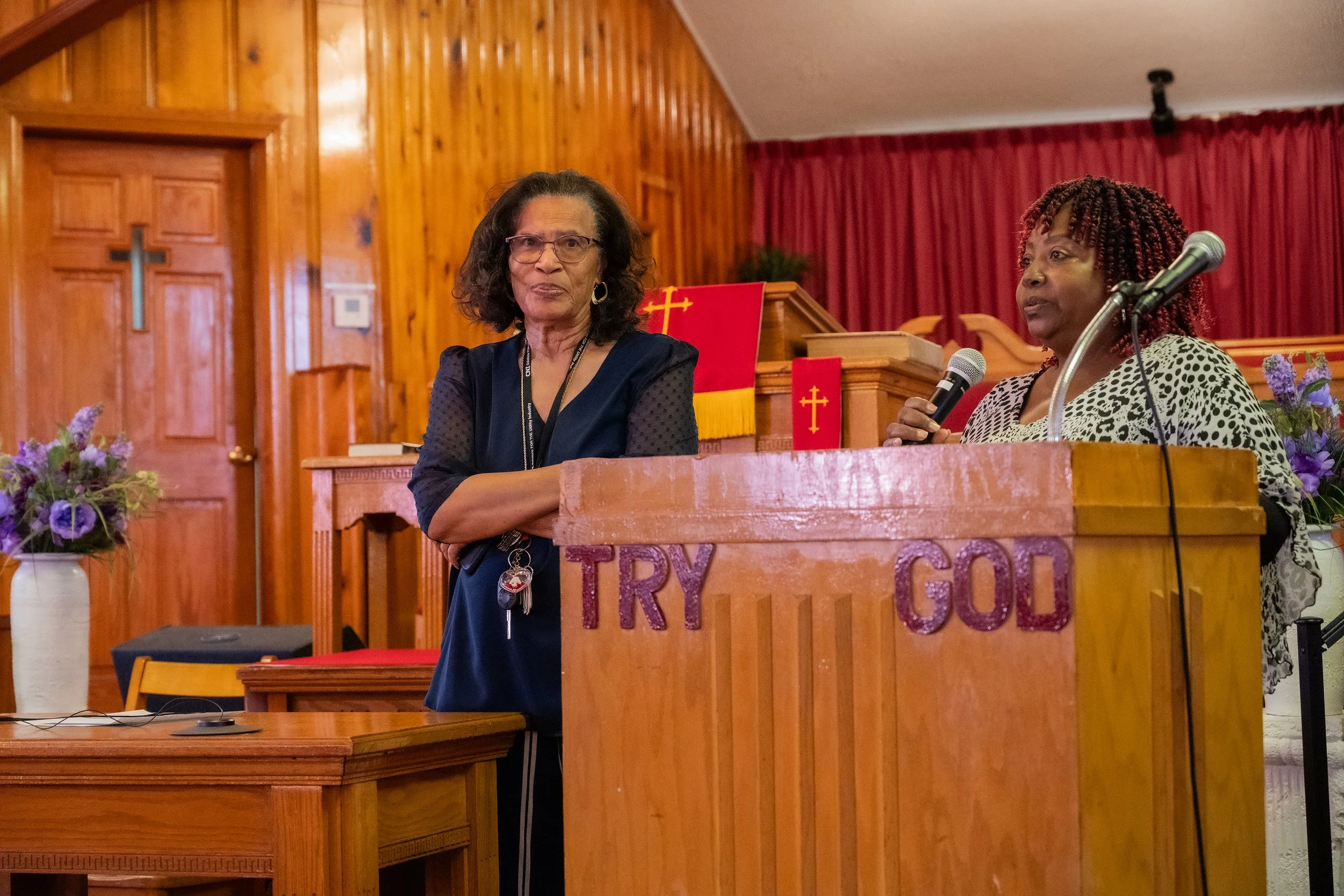
These snippets are from a memory-sharing session recorded October 19, 2025, at Pilgrim Rest Church, following the dedication of a marker for Almont Elementary -- an all-Black school that closed in 1970 with the end of legal segregation.
It was truly a you-had-to be-there occasion. Still, the audio clips provided here -- the voices and sounds, especially the laughter – give a glimpse of the warmth and shared emotion felt by the fifty or so people gathered that afternoon. Lightly edited, the recordings invite you to listen in as former Almont students share stories from a history that refuses to be forgotten.
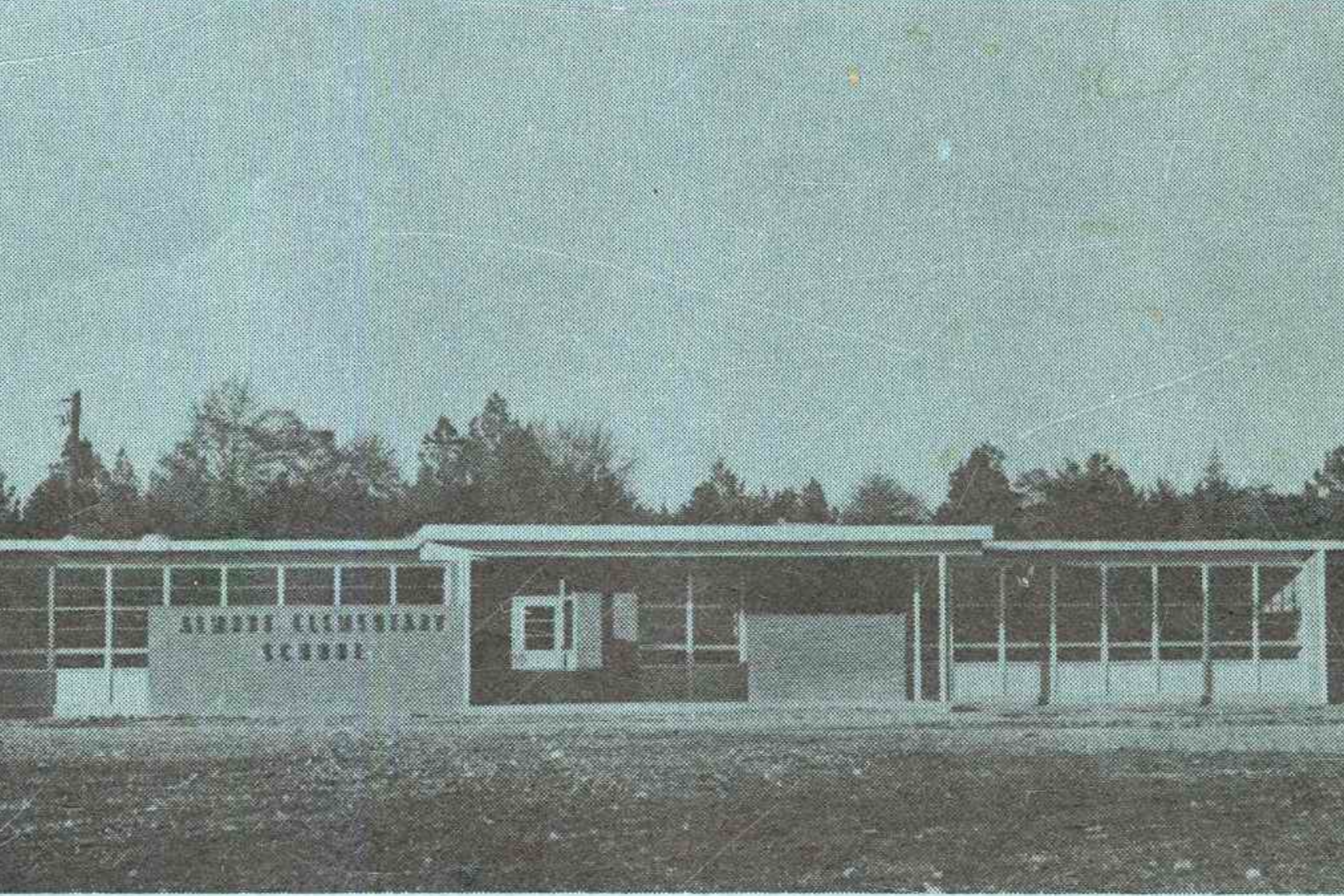
Almont Elementary School, 1964
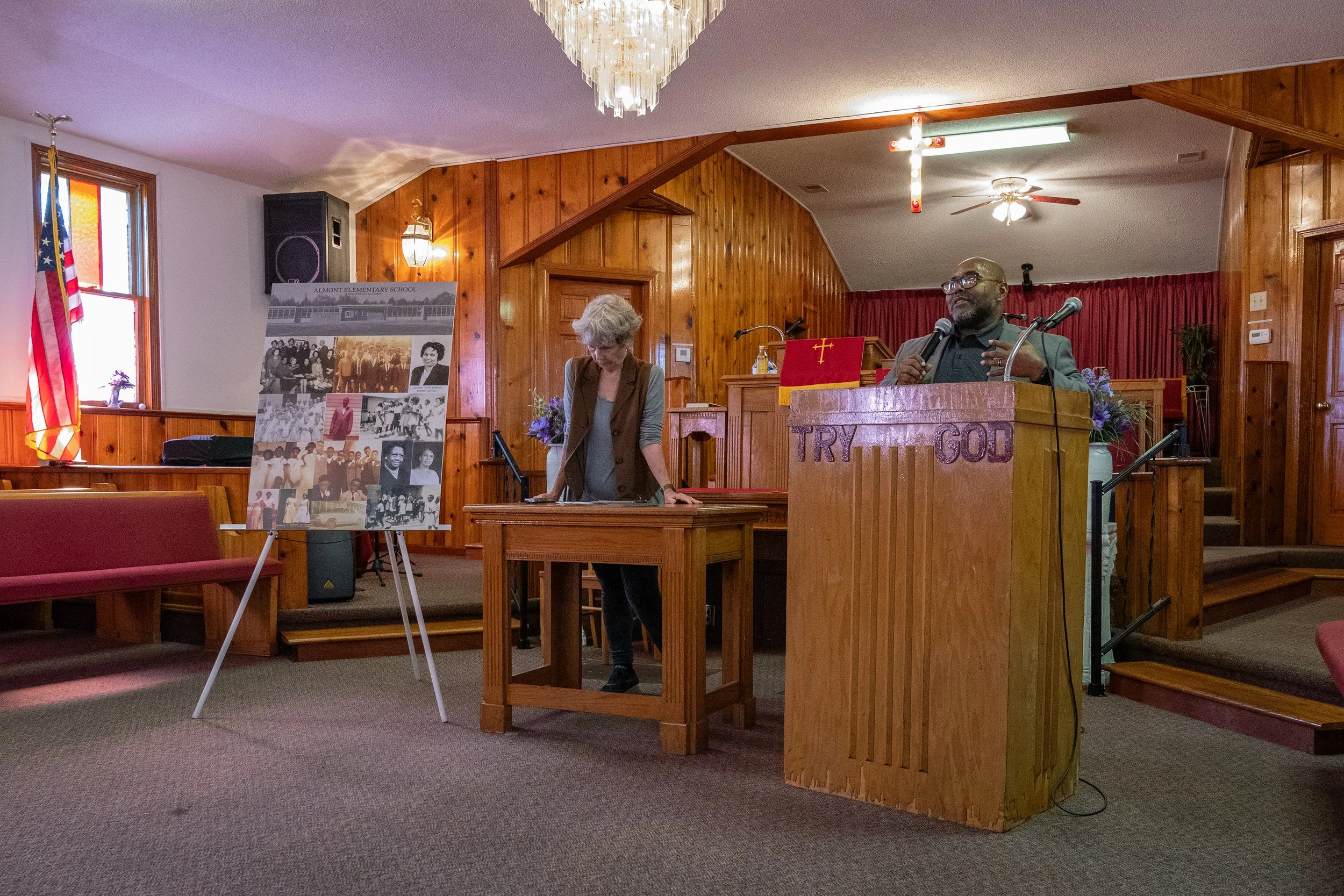
Rev Kenny Dukes: Mrs. Fluker was one of my teachers, and so I understood that generation of teachers. They wanted you to succeed more than you wanted to succeed. There was so much love and so much expectation because of the times, they wanted you to survive. You couldn't cut up, or you may not make it home. So they instilled in you, and they demanded a level of respect and honesty.
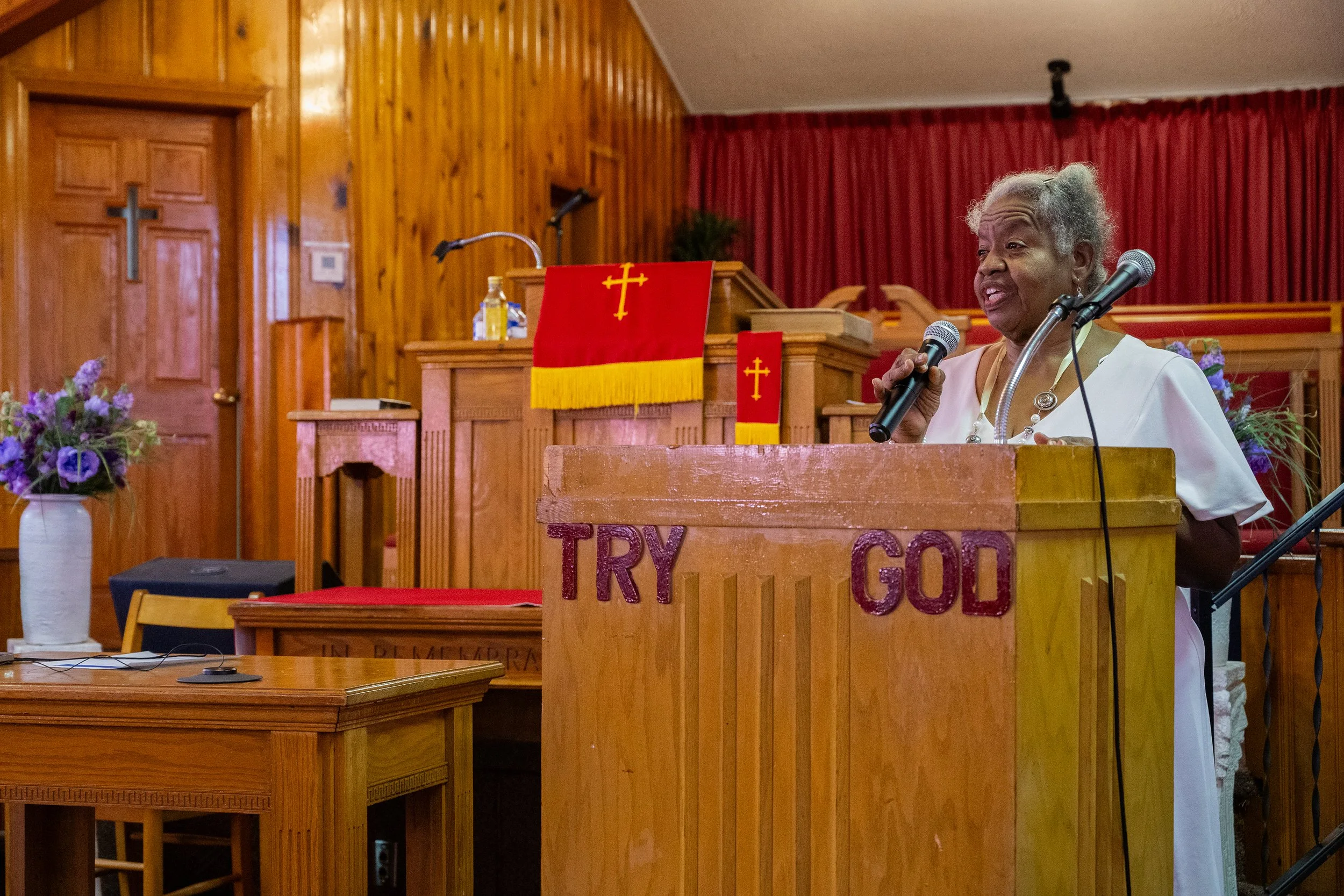
Deborah Hudson: I attended Almont Elementary school, and then we went over to Prentice High. And all I can say, it hurt me to my heart when they tore down that school because it was the newest school in Shelby County, and I wish it was there. It would be a great service to our community today.
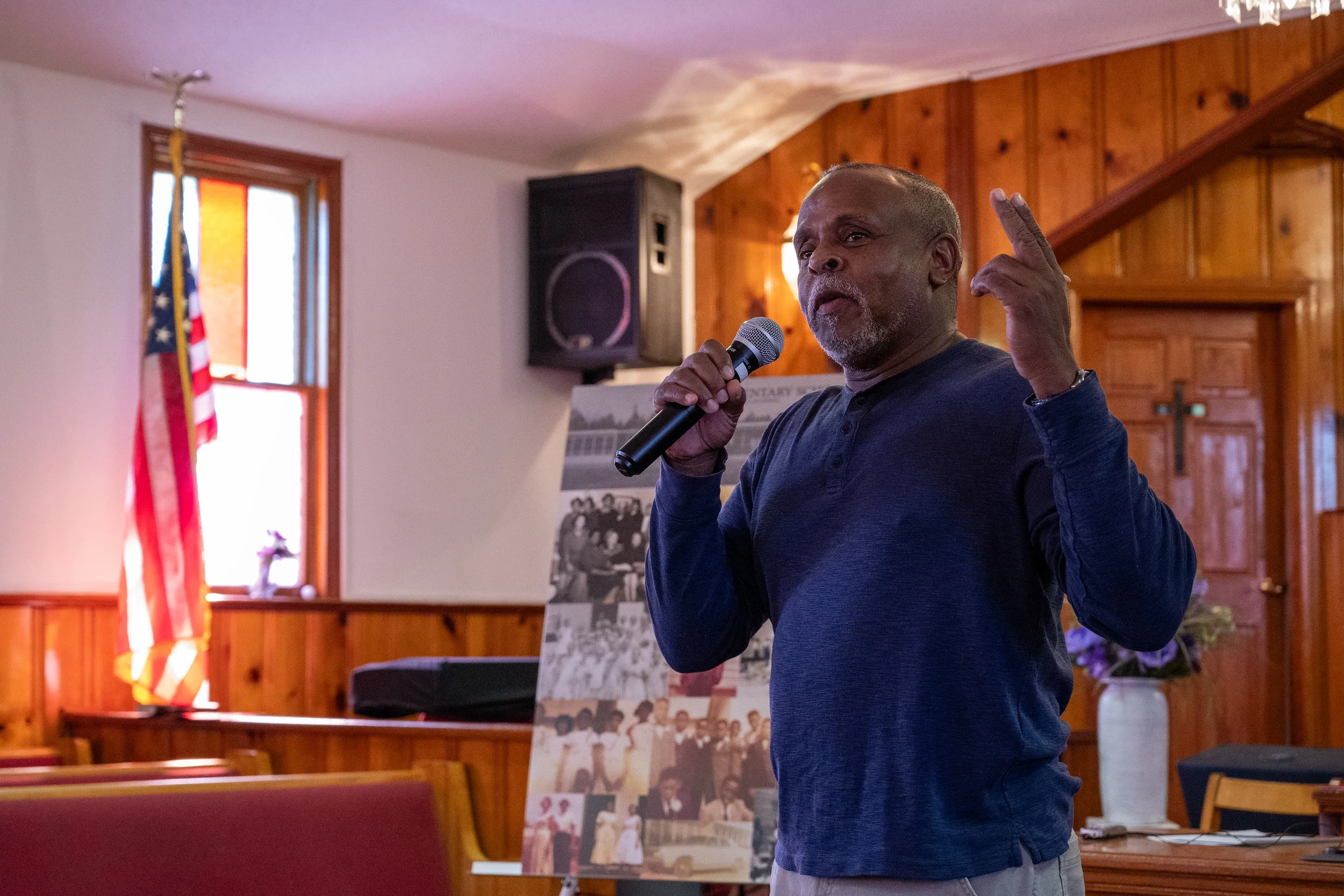
Rance Gaddis: Y’all remember when they had those Tom Thumb weddings? I had no idea what they were. Somehow I got nominated and I married somebody, and I still have no clue who it was. I still tease my wife about it, telling her I got married before I married you.
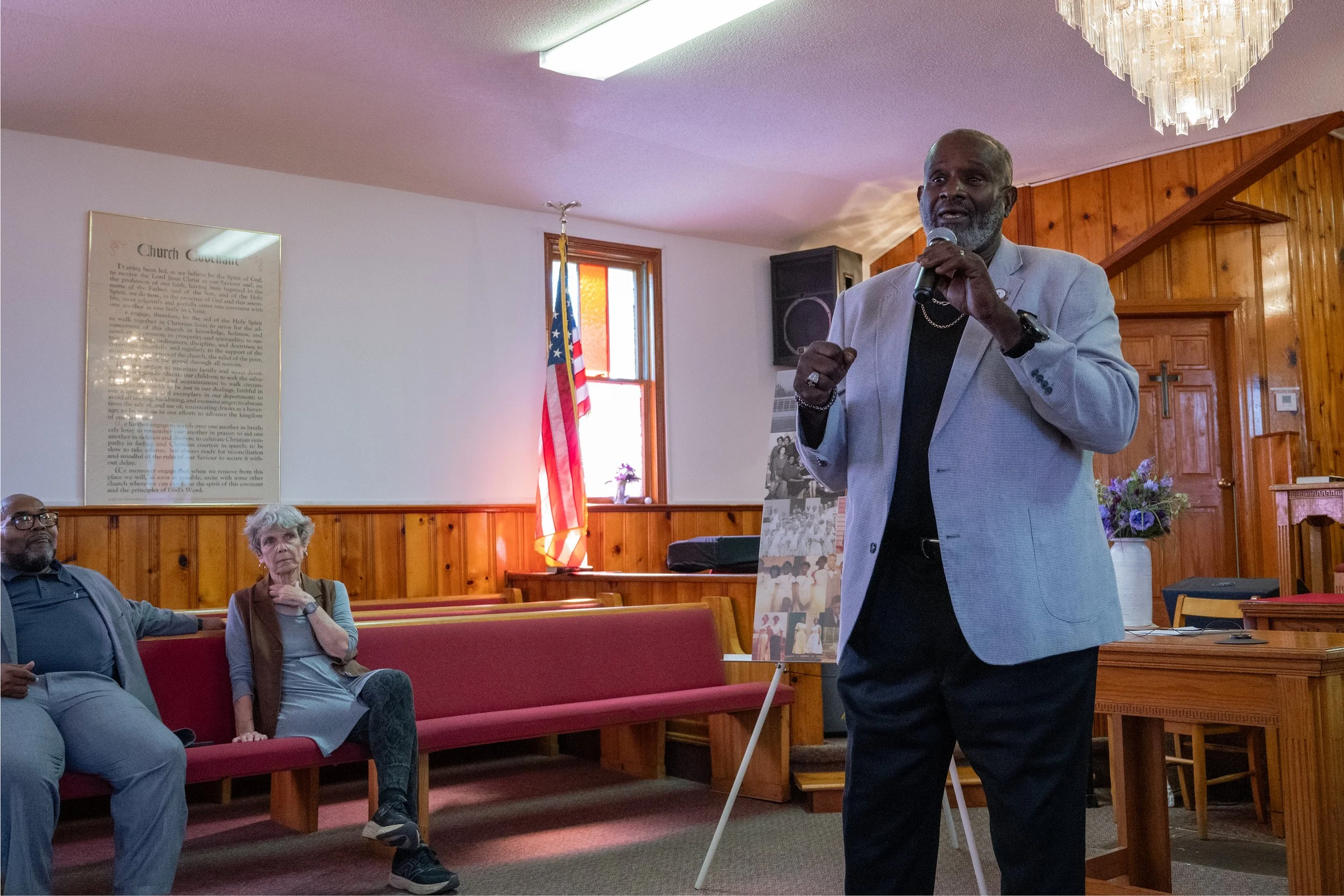
Wayne Mitchell: The principal, B. T. Knox, was called Mr. Knox cause he used to maul your head. You messed up, he’d take his knuckles and maul the side of your head. We had a big pot belly heater in the center of the room, that's where we got our heat. Sometimes you wanted to get out of class, you get the opportunity to go downstairs, you had to get coal and put it in a bucket and bring it back up and put it in the stove.
Y'all are blessed kids, when we went to use the restroom, you had a long, straight concrete slab that people would use for your bathroom. And after so often the commode had to be moved because they dug it in the ground. There wasn’t any flushing.
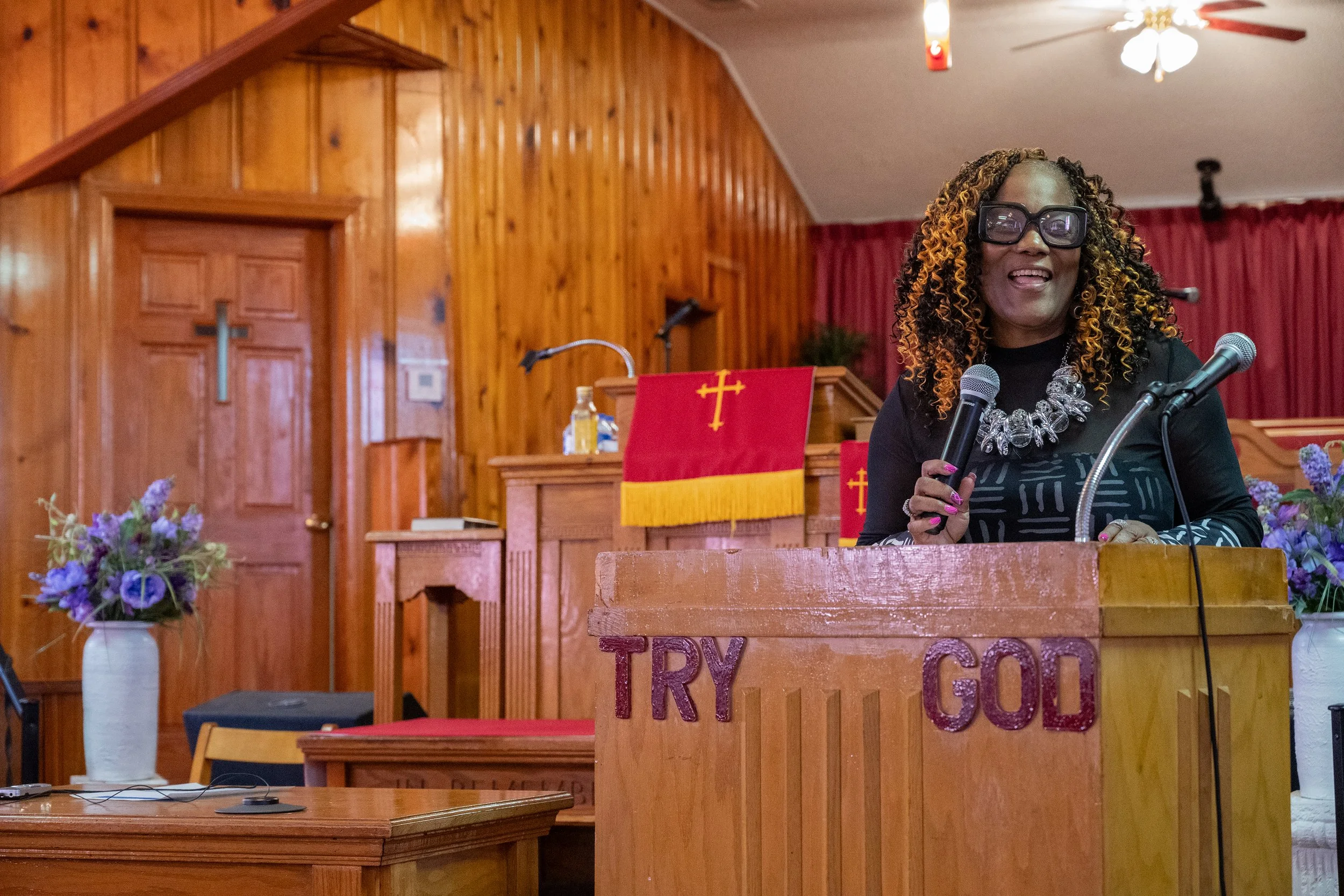
Anne Nathan
“Alright sit back and listen as I travel through my mind,” begins Anne’s poem for this occasion.
“Mr Knox, the principal, looked so very big to me, / But I dare not say anything, /Because he looked like he could whup me./ Let me go back and remember Mr. Greenlee. / Oh, what a beautiful man he was. / He made an A student out of me.”
Ed. Note: This recording presents the poem in its entirety.
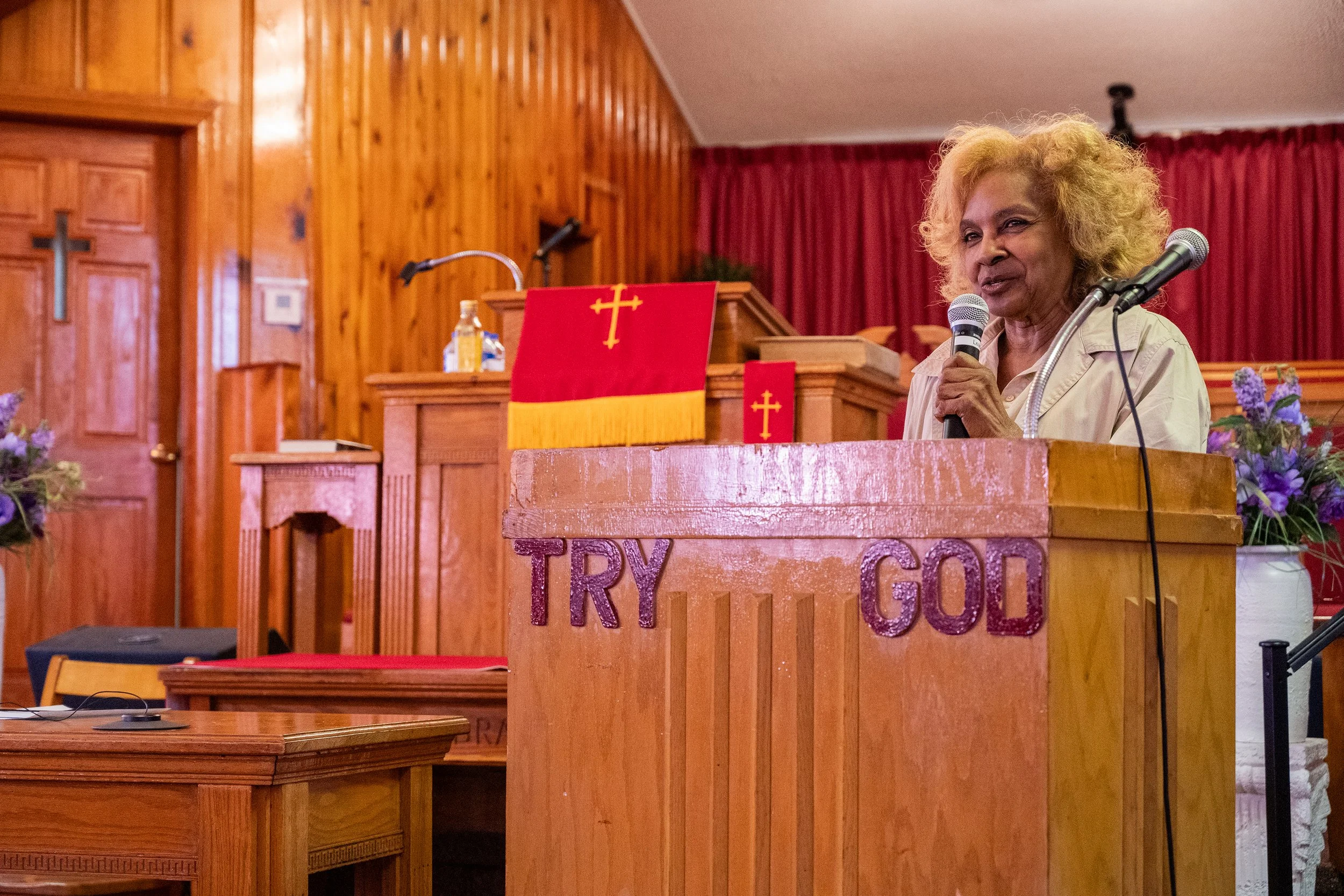
Brenda Grant Essix: There wasn't anything like 504 services or accommodations for children then, but me being left-handed, Mrs. Massey, my second-grade teacher, made accommodations. We sat at desk lined in a row, a horizontal row, and she would not have anyone to sit to the left side of me so that I could write. She did not change me over to a right-handed person, as some of the people that I have worked with have said. No. Mrs. Massey made accommodations for me.
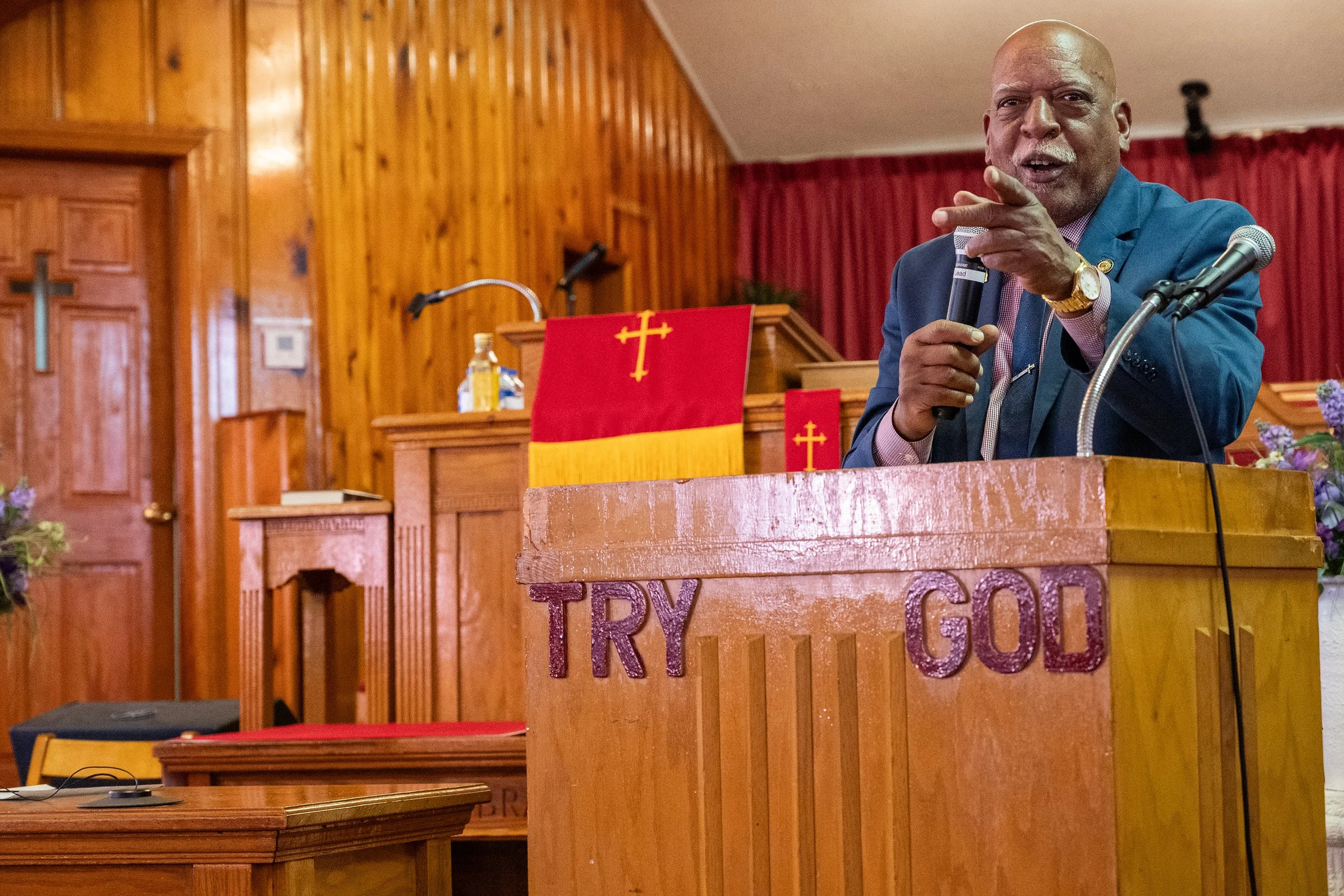
Rodger Smitherman: [Senator Smitherman pays tribute to his mother, Mary Smitherman, a teacher at Almont.] You know, we had the cafe down the hill. You remember? Anybody got shot down there, they would make it up to our house, because mama would take him to the hospital. She was that kind of person, caring for everybody here. Anybody needed some food, anything, they just came by our house all the time, evening or night. I used to tell her all the time, mama, you care more about them more then you do me. She said, Boy, be quiet.
Sylvia Vassar: [She and Shirley Cunningham left Almont to integrate the all-white elementary school.] But we have a lot of memories. I remember Linda Jones asking me, Sylvia, do you remember we used to leave the school ground doing recess and go down to your house (which was right next door, over across from the church), and we used to make a peanut butter and jelly sandwich and then come back over to the playground. And nobody ever knew.
Gail Hill Knight: If it wasn't for all the sacrifices that all our parents, all our grandparents and those before us made, our stories wouldn't be so grand. Those teachers made a difference. We have maybe two living or three teachers now, so let's reach out to everybody. They still have value for us. We want to keep that going. Our grandchildren and our great-grand, we have to pour into them and say these things to them and teach them so they can recall. We got to teach them that recall is available, so that they can build upon it, like we have.
And I'm so glad to see all of you. It's good to be seen, is it not?
Our great thanks to the participants who shared these unforgotten – and cherished – stories. Audio clips of these extracts are available at themontevallolegacyproject.com in the Untold Stories section. Do you have stories that would help us preserve our town’s Black history? Contact us at Montevallolegacy@gmail.com. Submitted by Kathy King and James Salter.